Beyond the Work Triangle: The Rise of the Multi-Purpose Kitchen
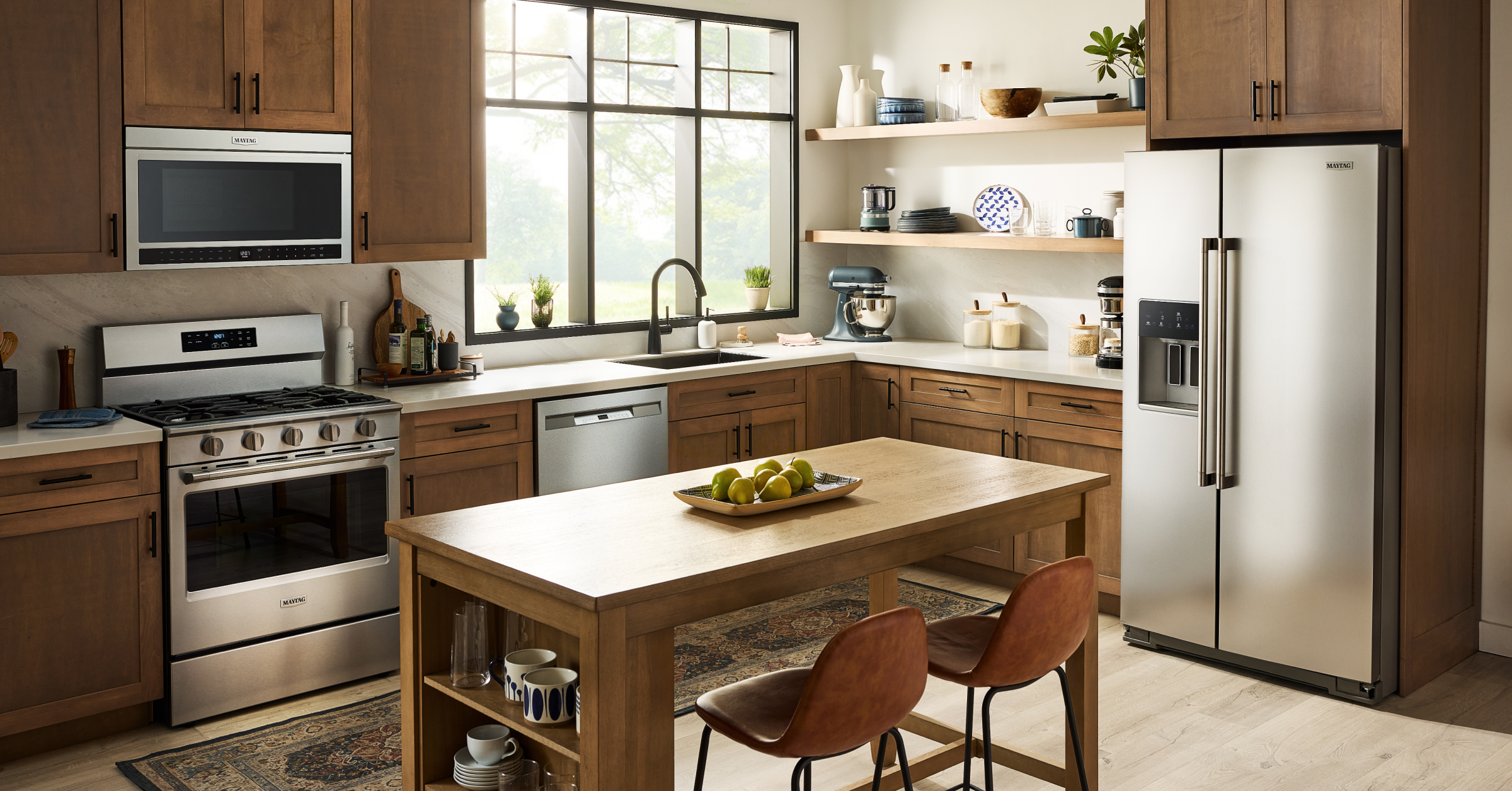
As homeowner lifestyles evolve, so do the expectations placed on the kitchen. Today’s kitchens are expanding into dynamic, multi-functional hubs that support everything from morning wellness routines to high-capacity social gatherings. For decades, kitchen design centered around the traditional work triangle, but today’s homes demand something more flexible. According to the National Kitchen & Bath Association (NKBA) 2026 Kitchen Trends Report, kitchens continue to grow in both size and influence, increasingly connecting to adjacent living and outdoor areas.
At the same time, there’s a broader cultural shift happening inside the home. “We’re seeing consumers really want to get back into the kitchen,” says Kevin Sulaiman, Head of Brand for KitchenAid Major Appliances at Whirlpool Corporation. “Not just for convenience, but as a place to create and connect.”
As homeowners rediscover the kitchen as the heart of the home, demand is rising for spaces that support both cooking and connection. In response, layouts are transforming toward a more decentralized approach—distributing prep, beverage, and cleanup zones to reduce congestion, improve flow, and keep hosts engaged with guests.
This evolution presents a clear opportunity: to create kitchens that not only look beautiful, but actively support how people live and entertain. Here’s how to bring these multi-purpose spaces to life through intentional zoning, appliance integration, and purposeful innovation.
Explore three appliance and home design trends that are not only popular already, but also are expected to stand the test of time:
Design for Zoned Functionality
Instead of designing around a single work triangle, today’s kitchens are being reimagined as open, flexible environments that support multiple users and overlapping activities.

“Consumers want a space that allows them to create a meal, but also invites others in, so it becomes more of a shared moment of connection.”
According to Sulaiman, this shift is as much about experience as it is about layout. “Consumers want a space that allows them to create a meal, but also invites others in, so it becomes more of a shared moment of connection.”
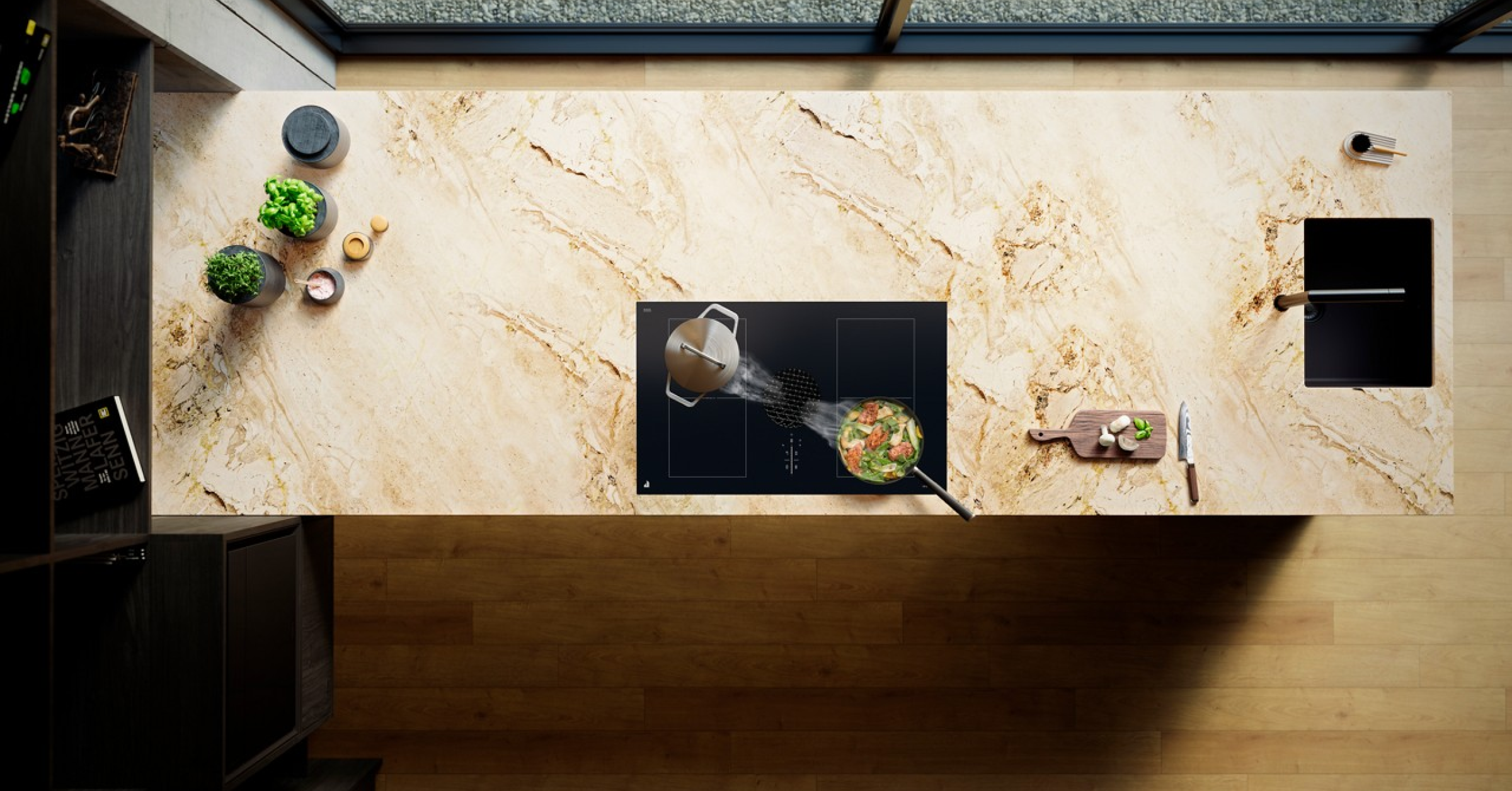
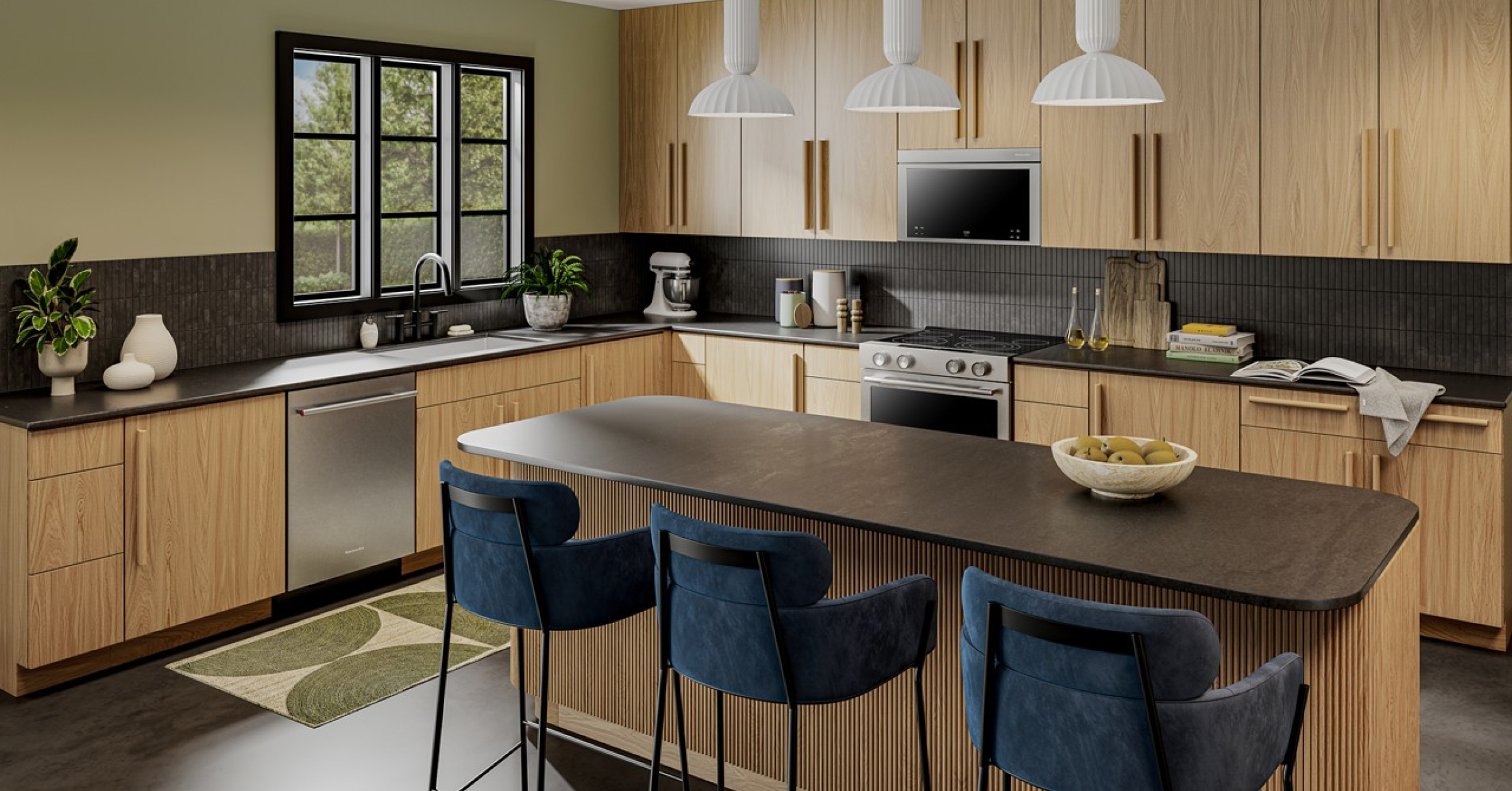
One key enabler of this shift is rethinking how cooking spaces integrate into the broader room. Innovations like JennAir® NextGen Downdraft Induction Cooktop eliminate the need for traditional overhead ventilation, opening up sightlines and allowing the kitchen island to become a true social centerpiece. “You’re no longer turning your back to the room,” Sulaiman explains. “You can actually be part of the moment while you’re cooking.”
Dedicated beverage stations are another natural extension of zoned design, whether integrated into the kitchen perimeter, a butler’s pantry, or a nearby living space. These zones keep guests out of primary prep areas while giving them easy access to drinks.
Sulaiman also notes that entertaining influences how homeowners use refrigeration in real time. “We see consumers actually change their behavior when they’re hosting—organizing their refrigerator into zones for drinks, appetizers, and meal components so they can grab what they need quickly and stay present.”
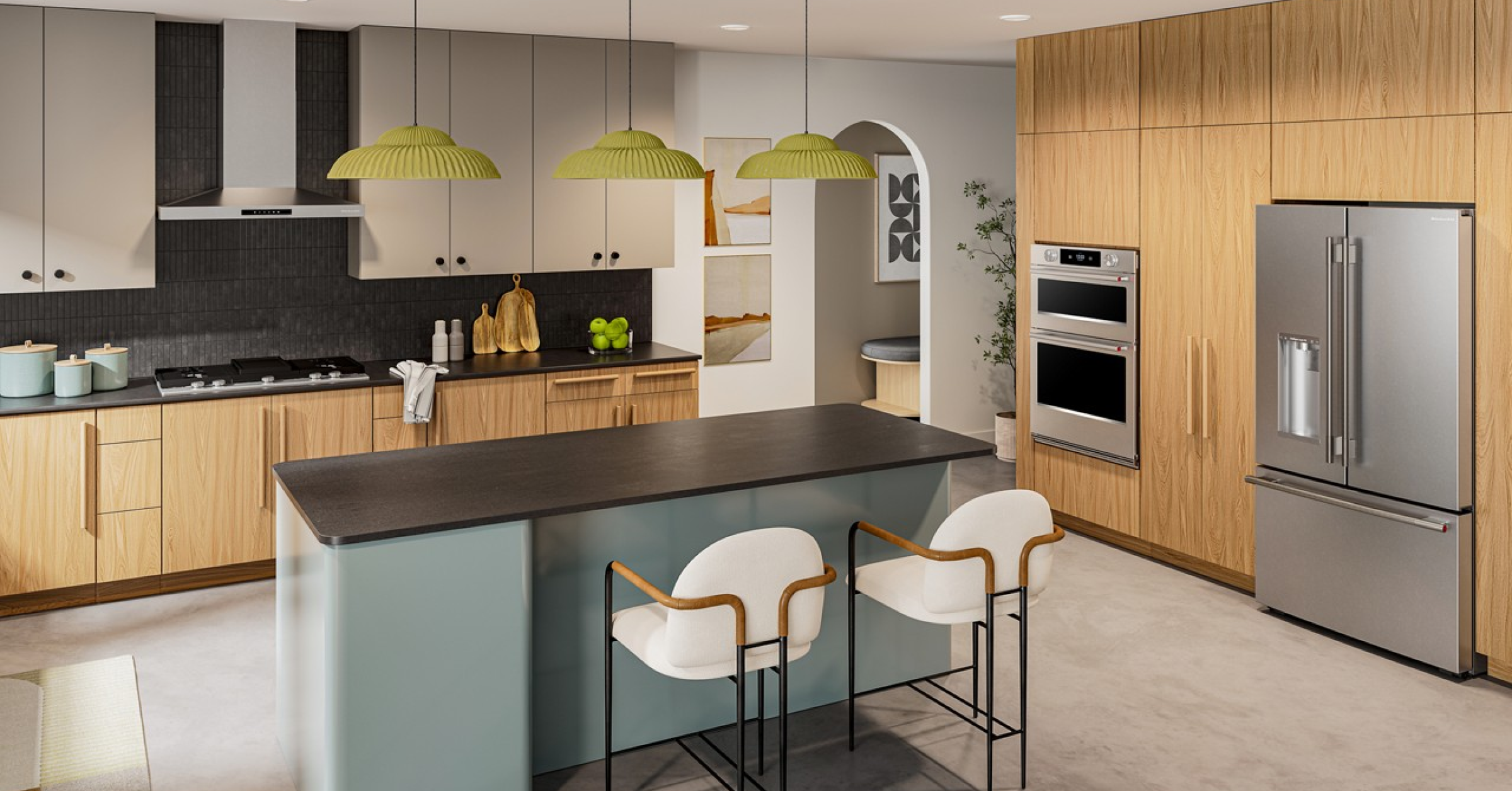
Specifying options like the Whirlpool® 36” True Counter Depth French Door Refrigerator with Nugget Ice or the KitchenAid® Counter-Depth French Door Refrigerator with Intelligent Auto Fill helps support this behavior with flexible storage and easy-access features.
Integrate “Invisible Intelligence” to Reduce Friction
A key theme emerging across kitchen design is the integration of smart, intuitive technology or “invisible intelligence.” These appliances work behind the scenes to simplify tasks, minimize interruptions, and support a seamless hosting experience.
One of the biggest pain points when entertaining is feeling tethered to the kitchen. “Consumers don’t want to feel like they have to micromanage what they’re making,” Sulaiman says. “They want to be able to step away, enjoy their time with guests, and trust that the appliance will let them know when everything’s ready.”
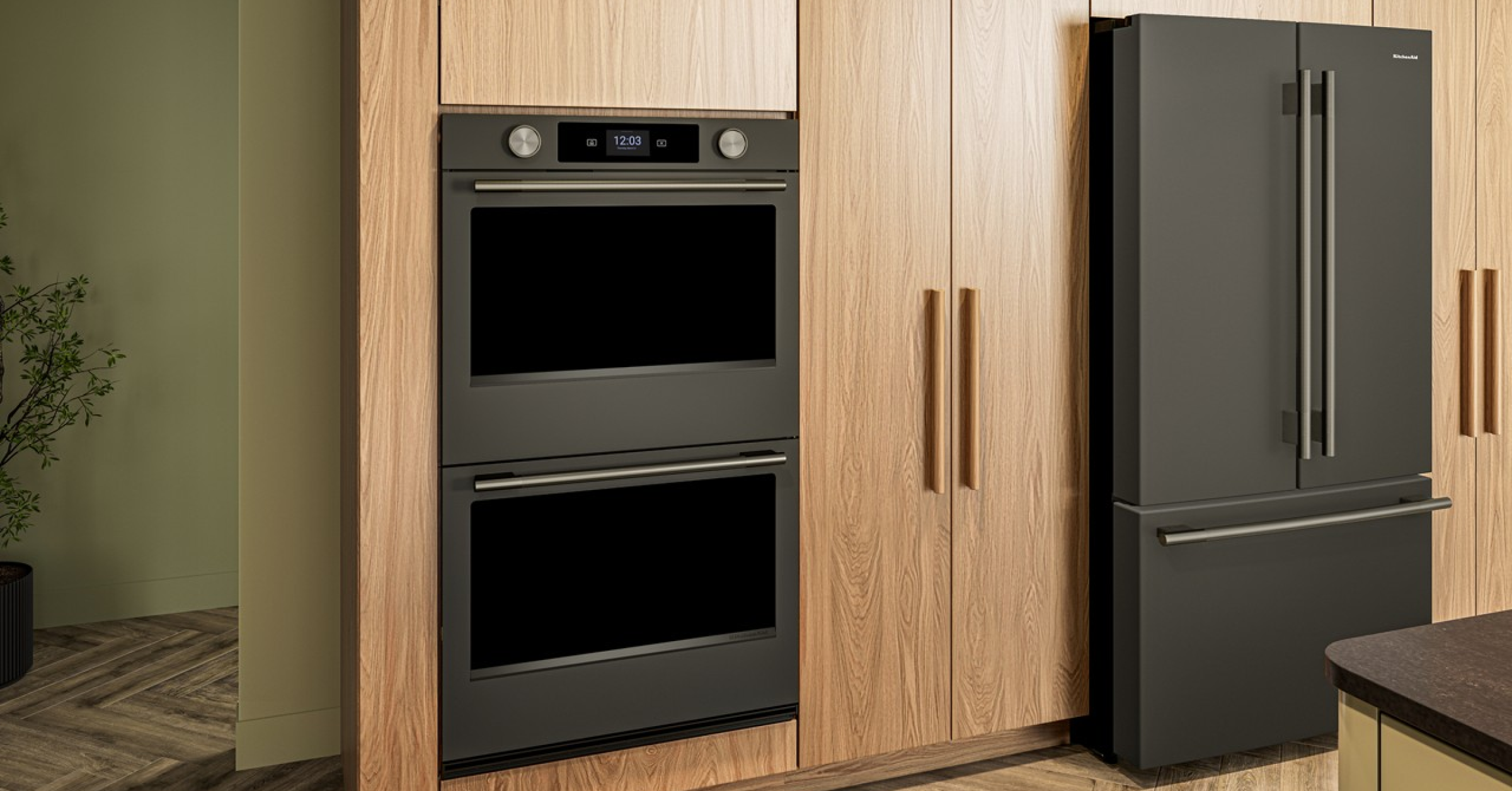
Appliances like the KitchenAid® 30” Smart Electric Double Wall Oven with Intelligent Cooking Camera do just that, using advanced sensors and food recognition to monitor cooking progress and automate adjustments, which frees up time and attention for hosting.
Equally important is how these features are delivered, with flexibility being key. “It’s really about giving consumers the option,” he explains. “If they want to use intelligent features, it’s there. If they want to go back to a more traditional experience, they can do that just as easily.” This balance ensures that technology enhances the experience, not overwhelms it.
Dishwashing is another critical and often overlooked component of a low-friction kitchen. “That’s the part of the process where consumers want the least amount of effort,” Sulaiman notes. High-performance systems like the KitchenAid® 360 Max Jets™ Third Rack Dishwasher with Advanced ProDry™ System are designed to handle everything from delicate glassware to heavily soiled cookware without the need for pre-washing or re-drying.
Design for Day-to-Night Transitions
One of the defining characteristics of a successful multi-purpose kitchen is its ability to transition effortlessly throughout the day. NKBA insights highlight a growing emphasis on wellness and personalization, with kitchens supporting both individual routines and social experiences.
Flexible configurations allow the space to evolve alongside the homeowner’s needs, from a morning coffee station to an afternoon family hub to an evening cocktail or serving area.
Appliance versatility plays a critical role. “It’s important to think about products that can flex, whether you’re cooking for one or for 10,” says Sulaiman. Larger format ranges, multi-zone burners, and double oven configurations allow homeowners to scale their cooking capacity without changing their setup. Similarly, refrigeration with configurable storage and features like dual ice makers supports both everyday use and high-capacity entertaining.
Importantly, these solutions should be grounded in real homeowner needs. As Sulaiman explains, “It’s about identifying behaviors, pain points, and gaps—and innovating within those spaces, rather than innovating for the sake of it.”
What’s Next: Opportunities for Innovation
Looking ahead, Sulaiman points to increasing personalization and adaptability as key drivers. “Consumers want spaces that feel curated to them—their lifestyle, their preferences, how they live day to day,” he says.
Emerging innovations are already moving in this direction, with appliances that can learn from user behavior, adapt over time, and improve through software updates. According to Sulaiman, this shift toward more adaptive, intelligent products will play a key role in future-proofing the kitchen, allowing it to evolve alongside the homeowner.
For the trade, differentiation will come from understanding these shifts and designing spaces that reflect them—spaces that feel flexible, intentional, and deeply aligned with how people want to live today.
For additional details about our appliance offerings, contact a sales rep today. Keep up with other trends and news in your industry by visiting The Trade Channel page.
RELATED ARTICLES
White Kitchens Aren’t Out – They’re Evolving
3 Remodel Features Helping Homeowners Plan for What’s Next
KBIS 2026: A Whirlpool Corporation Virtual Booth Experience