White Kitchens Aren’t Out – They’re Evolving
It’s one of the most persistent debates in home design: Are white kitchens in or out?

One month, industry headlines declare that the classic white kitchen is a timeless staple that will never go out of style. The next, social media feeds and design blogs insist that all-white spaces are officially dead, replaced by moody hues and bold color choices. With so much conflicting noise, it’s easy to wonder what the real answer is.
According to Brittni Pertijs, Design Manager, Color, Material & Finish at Whirlpool Corporation, the answer isn’t as simple as “in” or “out.”
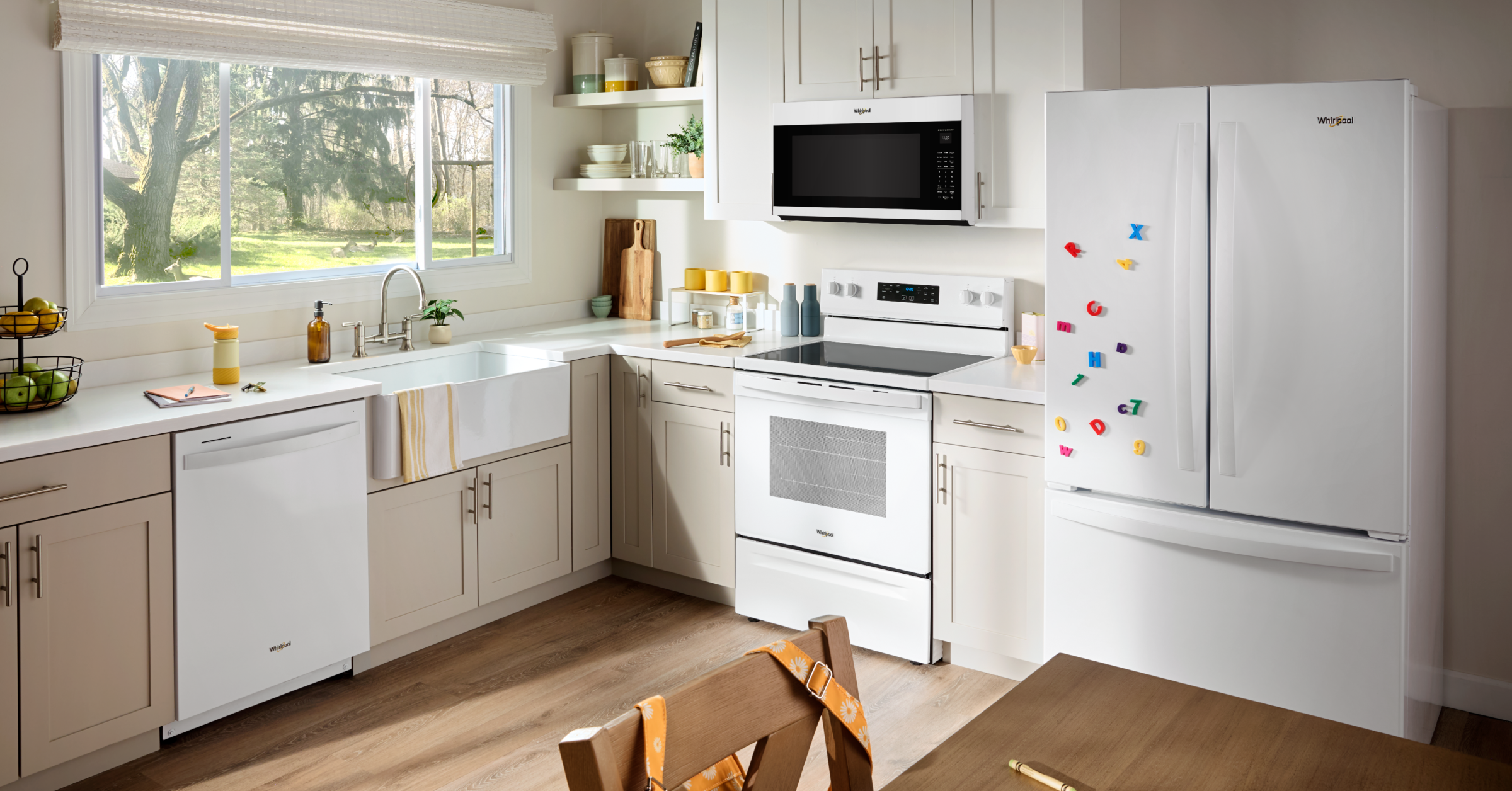
“While the ultra-stark, sterile white kitchen is certainly fading, white itself isn’t going away, it’s evolving,” says Pertijs. “We’re moving toward warmer, more inviting whites that ground the home in comfort.”
For trade professionals, that shift presents less of a reason to abandon white and more of an opportunity to rethink how it’s used. Today’s white kitchen is warmer, more layered, and more personal - providing a flexible foundation for natural materials, expressive accents, and finishes designed to stand the test of time.
Here’s how the pros can approach white kitchens with today’s homeowners while keeping an eye toward what’s next:
Use White as a Foundation
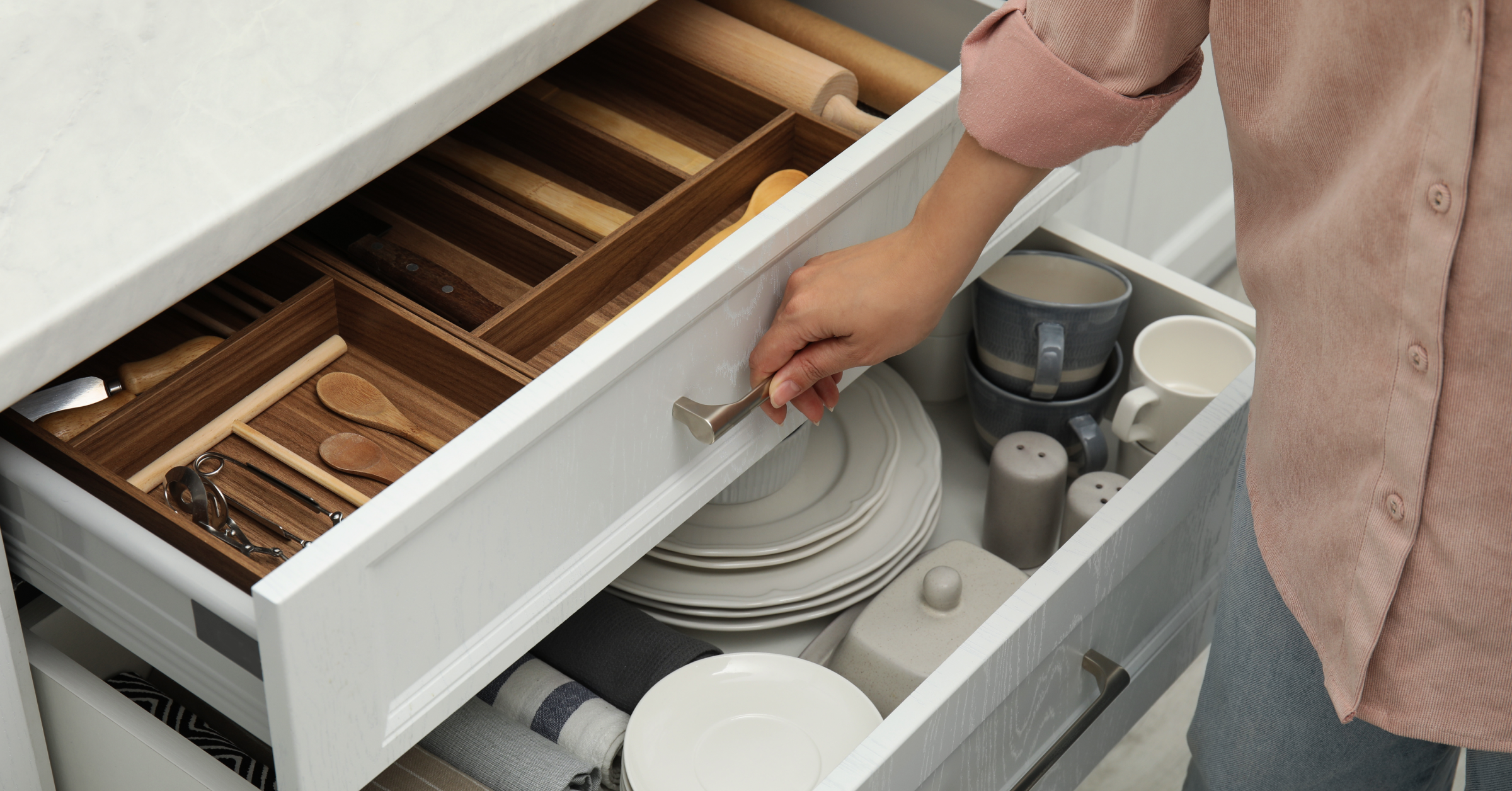
The all-white kitchens of the past decade often relied on a single tone across cabinetry, countertops, backsplash, and appliances. Today, white works best as one element within a broader material story.
“Today’s white kitchen is all about rich materiality and layering,” Pertijs says. “Rather than relying on a single monochromatic tone, white now serves as a foundation for tactile textures, natural woods, and a supporting cast of soft neutrals.”
Natural oak and walnut, stone, taupe and putty tones, and warmer metals such as brass and bronze can introduce depth and dimension against a warm white foundation, creating a sophisticated, layered neutral palette.
Incorporate Texture and Contrast
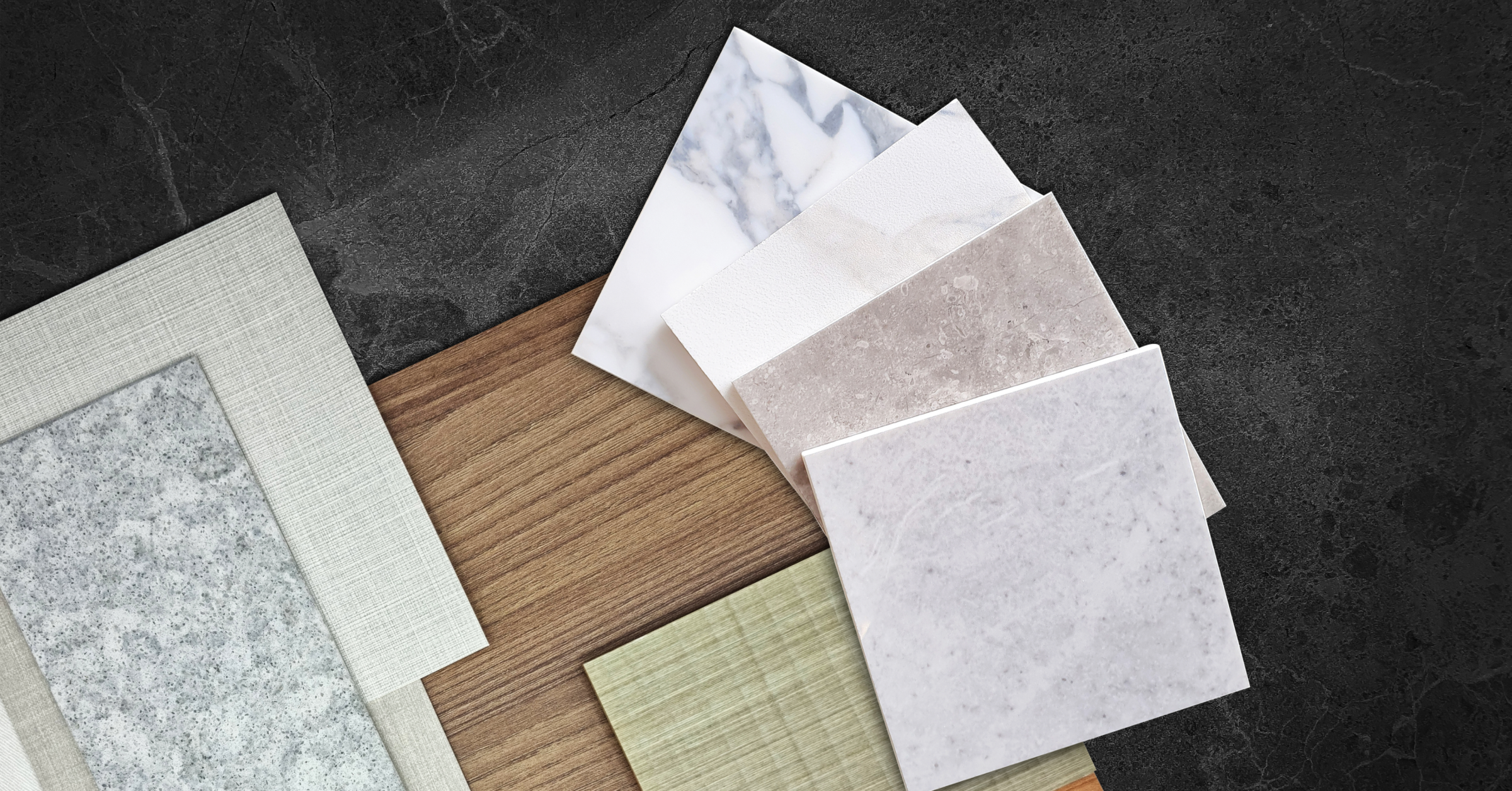
White doesn’t have to mean minimal or boring. One of the easiest ways to give a white kitchen a contemporary feel is to introduce contrast through texture, shape, and materials.
Painted white cabinetry with modern profiles, such as flat-panel slab doors or slim-Shaker frames, can provide a clean foundation. From there, tactile backsplash materials, natural wood accents, expressive lighting, and unexpected decor can add visual interest without overwhelming the space.
“White is no longer synonymous with plain; it’s an invitation to layer in personality,” Pertijs says.
That can also mean breaking a few traditional design rules. A sculptural light fixture, colorful textile, vintage-inspired furniture or a mix of metal finishes can keep a white kitchen from feeling too predictable.
Pertijs describes this emerging approach as “Joyful Minimalism,” which she defines as “all about clean lines, tactile finishes, and natural materials with a warm, neutral foundation.” The concept leaves room for personality through “unexpected, lighthearted elements - cheerful pops of color, quirky shapes in lighting and furniture, and a playful refusal to not take design too seriously.”
Consider the Entire Finish Palette

When selecting finishes for a kitchen, pros should consider how every element will interact, not just how individual materials look on their own. This is particularly important for major investments like appliances, where the finish needs to remain relevant alongside the home for years to come.
“Designing a color with longevity means looking closely at the scale and proportion of the product, the intended lifespan, and the surrounding environment where the color lives,” Pertijs says.
That makes undertone especially important. Pertijs notes that cool whites with icy blue undertones can feel disconnected from the organic materials increasingly found in today’s homes. Whites with subtle red, green or soft yellow undertones, she says, have greater staying power because they echo the natural elements around them.
Appliance finishes are evolving alongside this broader shift. While stainless steel remains a staple, homeowners now have more options for creating a cohesive design story. For warmer white kitchens, KitchenAid® Porcelain White offers a nuanced alternative to traditional bright white appliance finishes. Its subtle red undertone and satin finish can complement warm wood tones, natural stone, and softer paint palettes, while pairing naturally with warmer hardware such as brass.
Build for Adaptability
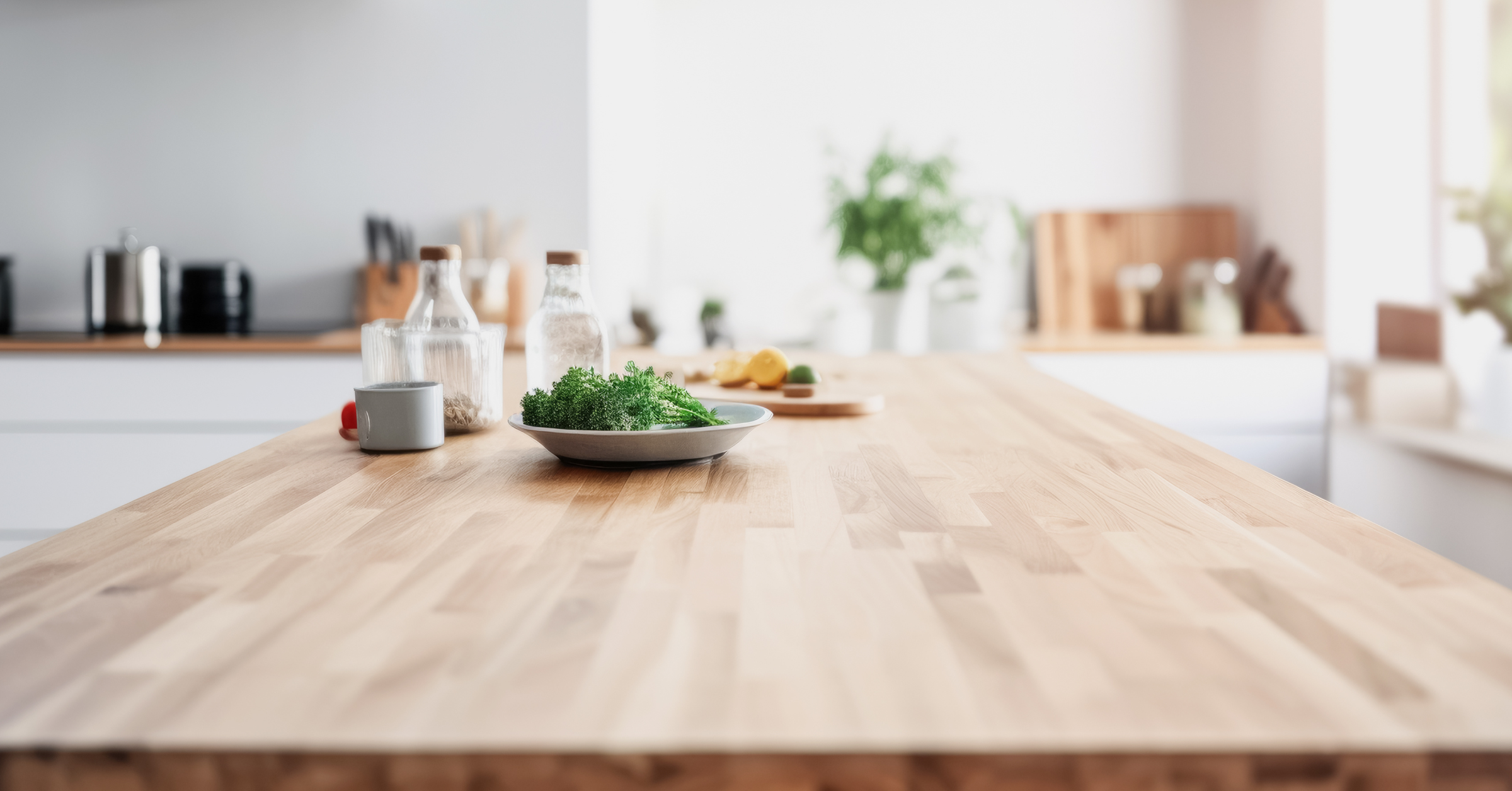
Designing for longevity doesn’t mean avoiding trends altogether. Instead, pros can create a flexible foundation that allows homeowners to evolve their space over time.
“Build for adaptability,” Pertijs advises. “Focus on creating a flexible foundation that can easily evolve over time. Invest in timeless, high-quality core elements like cabinetry, counter surfaces, and layout while using lower-commitment details to embrace current trends.”
Wall paint, hardware, lighting, artwork, and decor can be refreshed as tastes change without requiring a full kitchen renovation.
Ultimately, the future of the white kitchen isn’t about choosing white over color - or vice versa. As Pertijs puts it, “I don’t subscribe to strict design rules. Interior design should always center on personality and what brings you joy.”
For today’s trade professionals, the opportunity is to use white more thoughtfully: as a warm foundation, a complement to natural materials, and a backdrop for the details that make a kitchen feel personal.
The white kitchen isn’t going away. It’s becoming more nuanced, more expressive, and, ultimately, more personal.
For additional details about our appliance offerings, contact a sales rep today. Keep up with other trends and news in your industry by visiting The Trade Channel(opens in new .